
Hyderabad
08042755131
+917041232204

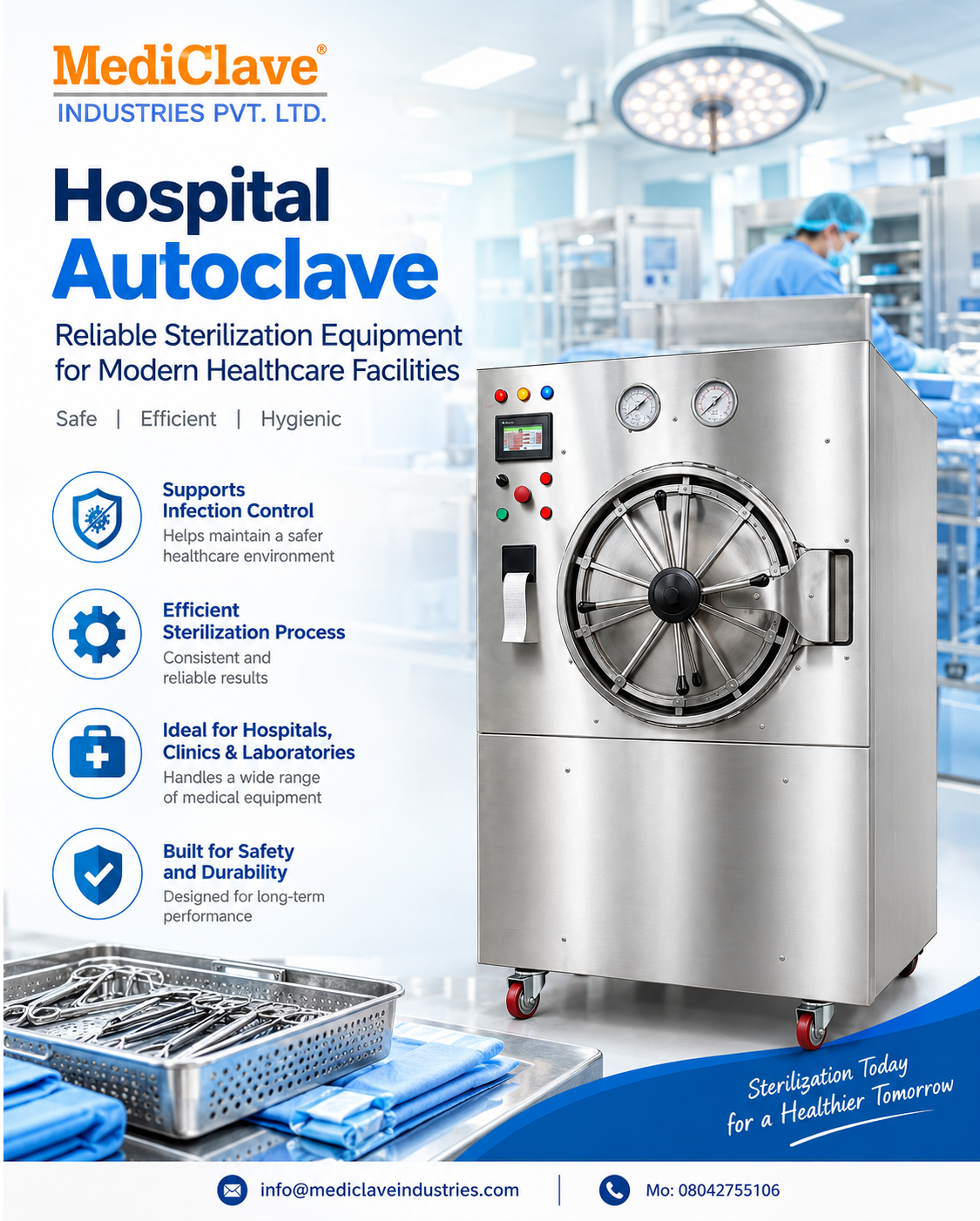
Hospital Autoclave: Reliable Sterilization Equipment for Modern Healthcare Facilities

A Hospital Autoclave is an essential sterilization machine used in hospitals, clinics, laboratories, diagnostic centers, and other healthcare facilities. Proper sterilization is an important part of infection control because medical instruments and reusable equipment must be processed carefully before they are used again.

Hospitals handle a wide variety of surgical instruments, laboratory items, dressing materials, glassware, and other reusable products. A reliable autoclave helps healthcare facilities establish a consistent sterilization process and supports safe and hygienic medical operations.


What Is a Hospital Autoclave?

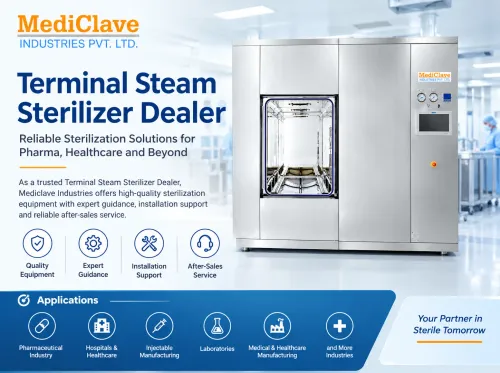
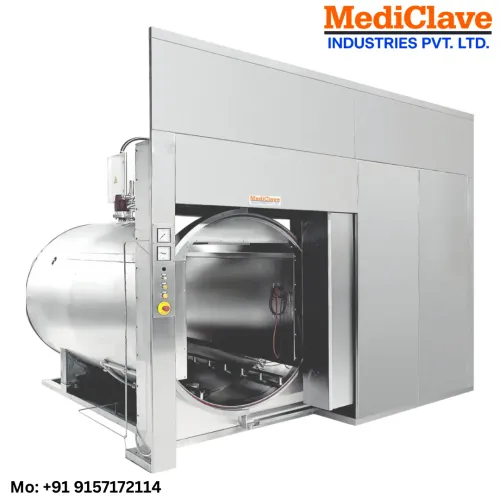
A Hospital Autoclave is a sterilization machine designed to sterilize suitable heat- and moisture-resistant medical equipment using saturated steam under controlled conditions.

The basic principle is straightforward. Steam comes into contact with the items being sterilized, transferring heat and helping destroy microorganisms. After the sterilization cycle is completed, the load can proceed to the next stage of handling according to the hospital's standard operating procedures.

Hospital autoclaves are commonly used in Central Sterile Supply Departments (CSSD), operating departments, laboratories, and other areas where reusable medical equipment requires sterilization.


Why Is a Hospital Autoclave Important?

Sterilization is a critical activity in healthcare facilities. Reusable instruments may come into contact with patients, tissues, fluids, or sterile areas. Therefore, appropriate cleaning and sterilization procedures are necessary before reuse.

A Hospital Autoclave provides a dedicated method for processing compatible items. It can help hospitals:

  • Support infection-control procedures
  • Process reusable surgical instruments
  • Maintain consistent sterilization workflows
  • Reduce dependence on manual sterilization methods
  • Improve efficiency in CSSD operations
  • Support safe handling of sterilized equipment
  • Organize repetitive sterilization activities

The autoclave itself is only one part of the sterilization workflow. Proper cleaning, loading, cycle selection, unloading, storage, monitoring, and documentation are also important.


Applications of Hospital Autoclaves

Hospital Autoclaves are used across different departments and healthcare environments. Depending on the autoclave design and validated cycle, applications may include sterilization of suitable:

  • Surgical instruments
  • Stainless steel instruments
  • Glassware
  • Laboratory equipment
  • Dressing materials
  • Medical accessories
  • Reusable hospital items
  • Certain heat-resistant containers
  • Other compatible healthcare materials

Before processing any item, the healthcare facility should confirm that the material is suitable for steam sterilization and follow the applicable manufacturer's instructions and validated procedures.


Hospital Autoclave for CSSD

The Central Sterile Supply Department plays an important role in hospital sterilization operations. CSSD teams commonly receive reusable instruments and other items, process them through cleaning and preparation stages, and then sterilize suitable loads.

A Hospital Autoclave can become an important part of this workflow.

An organized CSSD process generally involves stages such as collection, cleaning, inspection, preparation, packing, sterilization, drying or conditioning where applicable, storage, and distribution.

The right autoclave should therefore be selected according to the hospital's workload, types of instruments, available utilities, workflow requirements, and applicable standards.


How Does a Hospital Autoclave Work?

The working principle of a steam autoclave involves exposing the sterilization load to steam under controlled conditions.

A typical cycle may involve several stages. The chamber and load are prepared, air is removed as required by the equipment and cycle design, steam is introduced, and the load is exposed to the required sterilization conditions for the validated cycle. After the exposure stage, the cycle proceeds through the appropriate finishing and unloading stages.

The exact cycle depends on the type of load and the autoclave being used. Hospitals should always operate the equipment according to validated procedures and the manufacturer's instructions.


Choosing the Right Hospital Autoclave

Selecting a Hospital Autoclave requires more than simply choosing a machine based on chamber size. Healthcare facilities should consider their actual sterilization requirements.

Important considerations include:

1. Type of Medical Loads

Determine what the hospital needs to sterilize. Surgical instruments, dressing materials, glassware, and other loads may have different processing requirements.

2. Hospital Workload

The expected number of sterilization cycles and daily workload should be considered when selecting equipment. A hospital with a high-volume CSSD may require a different solution than a small clinic.

3. Loading and Unloading

The equipment should fit naturally into the existing workflow. Easy loading and unloading can help staff manage repeated sterilization activities efficiently.

4. Operational Convenience

A user-friendly control system and clearly organized operating procedure can help staff operate the equipment consistently.

5. Safety Features

Safety is an important consideration when purchasing sterilization equipment. Hospitals should evaluate features related to chamber operation, door safety, pressure management, alarms, and other relevant protective functions.

6. Service and Support

After-sales service can be important for healthcare facilities because sterilization equipment is part of an ongoing hospital operation. Buyers should consider installation support, operator guidance, maintenance, spare parts availability, and technical assistance.


Hospital Autoclave Manufacturer and Supplier

When purchasing a Hospital Autoclave, hospitals often look for an experienced Hospital Autoclave manufacturer and supplier that can understand their application requirements and provide an appropriate sterilization solution.

Mediclave Industries manufactures sterilization and pharmaceutical process equipment for different industries, including healthcare applications. Hospitals and healthcare facilities can discuss their sterilization requirements with the manufacturer before selecting suitable equipment.

A professional supplier can also help customers understand the available equipment options, application suitability, installation requirements, operation, and maintenance considerations.


Benefits of Using a Hospital Autoclave

A properly selected and operated Hospital Autoclave can provide several operational benefits for healthcare facilities.

Consistent Sterilization Process:
A controlled automated cycle can provide repeatable processing conditions when operated according to validated procedures.

Improved Workflow:
Autoclaves can support organized sterilization workflows in CSSD and other hospital departments.

Suitable for Reusable Instruments:
Steam sterilization is widely used for compatible heat- and moisture-resistant medical instruments and materials.

Supports Infection Control:
Sterilization forms an important part of the broader infection-prevention process within healthcare facilities.

Long-Term Equipment Use:
With proper operation, preventive maintenance, cleaning, and servicing, sterilization equipment can support hospital operations over an extended period.


Importance of Proper Autoclave Operation

Even a high-quality Hospital Autoclave requires correct operation. Staff should receive appropriate training and follow the manufacturer's operating instructions and the hospital's sterilization protocols.

Loads should be prepared correctly, items should not be processed beyond their material limitations, and the appropriate cycle should be selected for the intended load.

Hospitals should also maintain appropriate records and use their established sterilization monitoring and quality-control procedures.


Conclusion

A Hospital Autoclave is an important part of modern healthcare sterilization infrastructure. From surgical instruments and dressing materials to compatible laboratory and reusable medical items, autoclaves support the systematic processing of heat- and moisture-resistant loads.

Choosing the right equipment requires consideration of the hospital's workload, application, CSSD workflow, load types, operational requirements, safety, service support, and validated sterilization procedures.

For hospitals, clinics, laboratories, and healthcare facilities looking for dependable sterilization equipment, selecting an experienced Hospital Autoclave manufacturer can help ensure that the equipment is matched to the facility's actual requirements.

 2026-09-26T11:26:15

Keywords